
Seeds of Peace: The Peace Summit and What “Peace” Means

Share

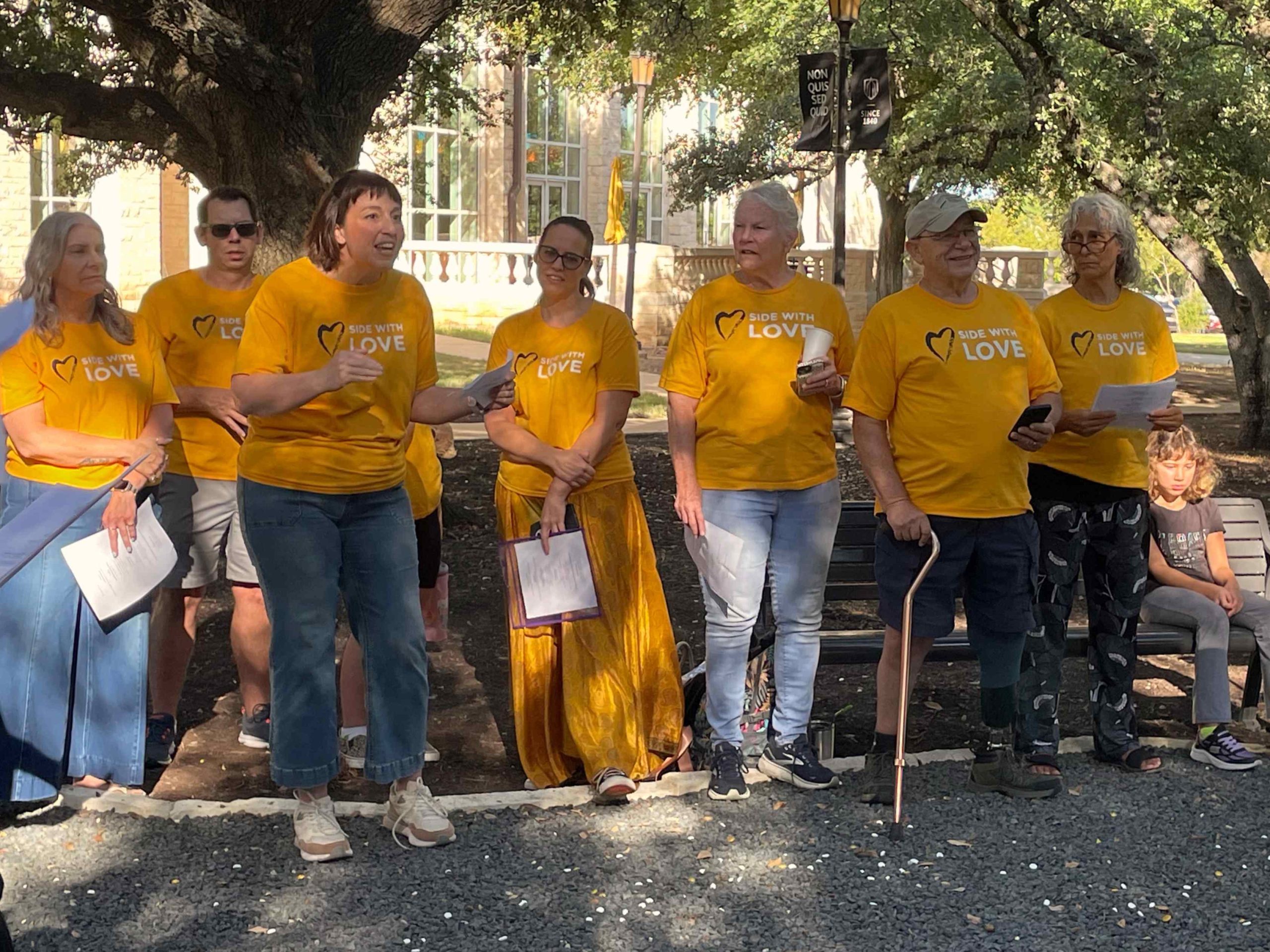
As originally written in a song by Jill Jackson-Miller and Sy Miller, “let there be peace on Earth and let it begin in me”. During September 19th and 20th of 2026, Southwestern embodied this idea by hosting the second annual Peace Summit. Working in tandem with the Rotaract Club of Georgetown, Southwestern’s own Rotaract Club, and guest speakers from community organizations like Roots That Bind Us, the event aimed not only to inspire attendees to cultivate peace within themselves, but to take action in the community at large and bring peace to others in honor of the International Day of Peace September 21st.
Reverend Doctor Ronald Swain, who students may know from services on campus or his calls for “a minute for peace” via Postmaster said that the event is but a “stop along the journey towards peace”. The journey towards the summit of today and those to come, Swain described, began in 2020 with the murder of George Floyd in Minneapolis. After this tragedy, Georgetown’s Rotaract Club began its Racial Unity and Peacebuilding Committee, which aims to exemplify “how people of all races and ethnicities can live in harmonious unity, equity, and peace” according to its vision statement.
According to Swain, the peacebuilding seen in both the Committee and the Peace Summit is “an ongoing process to create a world where we are in community”, referencing both Dr. Martin Luther King Junior’s notion of a beloved community, and Southwestern’s core values of fostering diverse perspectives and respecting the dignity of all persons. This community, Swain continued, is not simply handed to us but cultivated within ourselves and through the actions of organizations who devote themselves to the creation of peace and social justice. Some prime examples Swain gave were Alpha Phi Omega (APO), the Southwestern Rotaract Club, Pirate Pantry, SU’s on-campus garden, and community partners like Helping Hands Georgetown and The Caring Place. Another good contact, Georgianne Hewett added later, is Dr. Swain himself, who is connected with many peacebuilding efforts in the Georgetown community. When asked for additional comments of his own, Swain encouraged us to reflect on Southwestern’s core purpose: “Fostering a liberal arts community whose values and actions encourage contributions toward the well-being of humanity” and asked if we were truly doing that–both as individuals and as an institution.
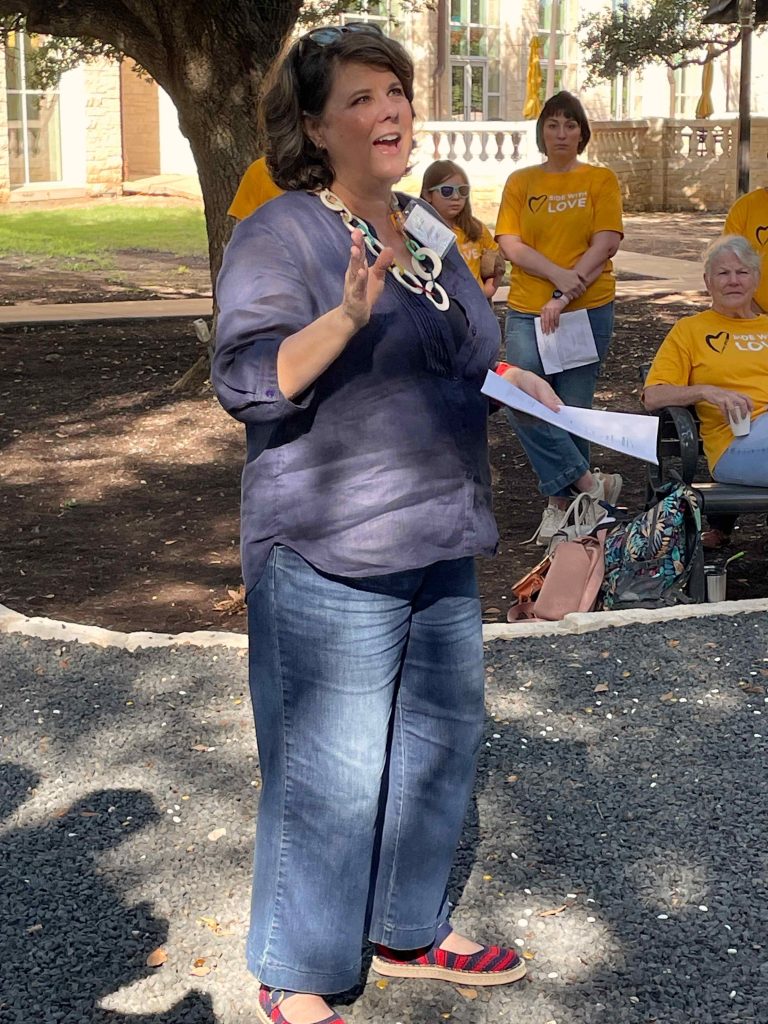
The Summit itself was an examination of how peace can look and be incorporated into one’s daily actions. As Ruby Howe, the sitting President of Southwestern’s Rotaract Club said during her short introductory speech about the event, “these are the seeds we plant”. Not just larger actions, but smaller acts that build up over time and help to strengthen a more peaceful community and world. While taking part in projects incorporated into these “seeds” (e.g., building peace gardens, being involved in community service) are a key part to Rotaract, the Summit emphasized that any community member or student also plays a role in advocating and creating positive change in our community, no matter how small.
After introductory speeches, attendees were invited to describe and experience peacebuilding exercises within two breakout sessions. Leading these breakout sessions was Carter Kingemann, the founder of the Interact Club at Gateway College Preparatory School and Eric Hepburn, a Minister at San Gabriel Unitarian Universalist Fellowship. Both 50-minute long sessions took inspiration from the theme of peace and expanded them into our daily life – that peace is not necessarily defined by the lack of conflict or war, but rather a feeling held that can be spread by both everyday and community action. Of those who attended, many described their experiences as “energizing” or “spiritually inspiring”, and described peace as a united effort towards understanding, unity, patience, trust, and acceptance for people from all walks of life.
To wrap up the event, Dr. Swain hosted an Interfaith Prayer Service. Like the rest of the Summit, the service focused on peace within and without oneself. Joined by Madhavi Mangu-Ghandi of the ISKCON of Round Rock, Janette Gaudiesus of Soka Gakki International, USA, Pastor Drew Ingram of Christ Lutheran Church, Reverend Anne Matthews of Grace Episcopal Church, and Reverend Jessica Peterson of the Wellspring United Methodist church, the service called participants to reflect on the meaning of peace and how it can be created. The service also worked to reflect the diversity in students’ faith traditions which include but are not limited to Baptist, Buddhist, Catholic, Episcopalian, Hindu, Jewish, Methodist, and Muslim.
As a whole, the event was meant to inspire us Southwestern students to use what time we have to give back to the community that has given us so much. Whether that be in supporting local orgs, nonprofits, or taking time to be kind to others, we can all be builders of peace. Georgeanne Hewett, another host of the Summit and Megaphone alum, said concerning the event “the idea is to cultivate flourishing environments of peace where hate, violence, and cruelty have no room to grow.” She said also that we as community members “all have a role in creating the conditions of our world. Every choice or decision we make generates an outcome. By raising awareness about peace and peacebuilding, we can encourage people to thoughtfully consider the outcomes they want to generate through their daily lives. Peace starts with us as individuals and then expands to our local community. If more and more of us work to generate peace, the world becomes more peaceful.” The seeds featured so prominently in the vernacular of the Summit are not just a metaphor for cultivating an environment that is peaceful. Those seeds also grow good outcomes, Hewett described “outcomes such as opportunities, safety, access, understanding, respect, and human dignity. That’s what I want to see growing in our world. And, the seeds are in your hands ready to be planted.”
To quote Connor Kingemann, “you don’t have to go to war for peace”. Peace-making is an action that can happen anywhere, any time, and surrounded by any group of people. In the words of Dr. Ken Mello, “nothing happens nowhere”. There is no set place for peace or conversations about creating a more peaceful and equitable society to be had. Sure, those conversations can be had within a Summit like this, but they can also happen in the midst of daily life. There is peace-building in being involved with organizations making change, yes. But there is also peace-building in showing kindness to someone, in taking your time to care for another human being whether you know them or not.