
A Ticket for a Talk: SU’s Adoption of Lounge With Noah Ramon

Share

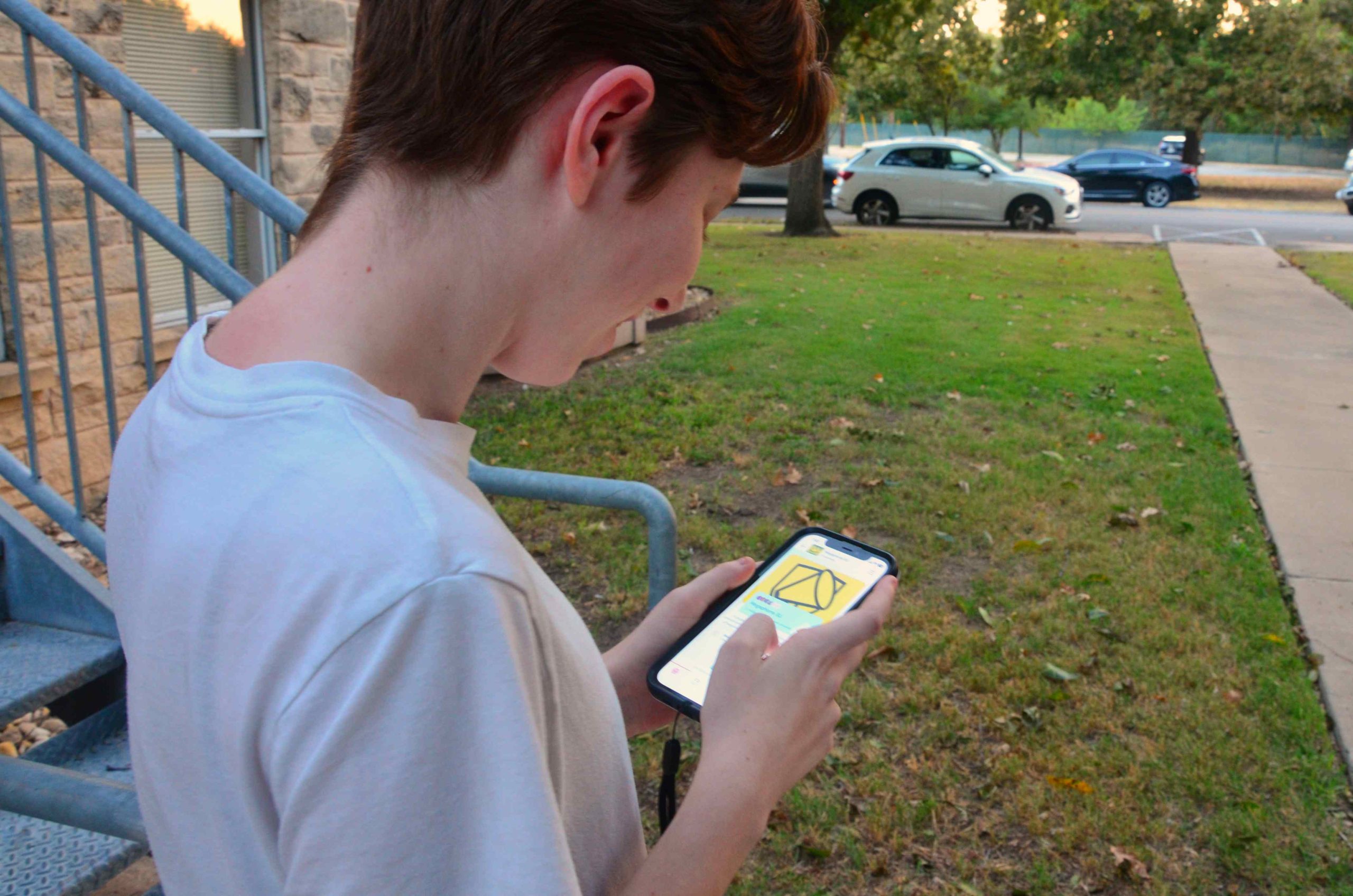
On September 1st, 2026 The Megaphone sat down with Coordinator of Student Activities Noah Ramon to discuss the SU administration’s recent adoption of Lounge. Lounge is a platform for facilitating student engagement, providing individual orgs with their own group chats and calendars that can be easily accessed by any student looking to get involved. As of this semester, the Lounge app has become a requirement for any student org that wants to stay active, and any student that wishes to attend club meetings or StuAct sponsored events on campus. The rollout of Lounge has been far reaching; with Ramon saying that the app has been downloaded by “over 1000 students.” Despite the long arm of Lounge reaching over 75% of the school’s population, many students might still be unaware of what is motivating such an aggressive adoption and what the administration hopes to accomplish with it. As such, we at The Megaphone hope to answer some of your burning questions about the newest virtual addition to campus life.
What was the impetus to shift to lounge, a centralized, school-run communication platform instead of letting individual orgs organize their own communications?
“The biggest deal is data gathering,” Ramon emphasized, citing the nationwide decline of enrollment rates across higher education. As such, according to Ramon: “The emphasis on data-driven programming is at an all time high,” and consequently Lounge is, contrary to what some students might expect, not directly for the benefit of students. A common question on campus has been: “What is the point of tickets?” Many orgs, especially those with their own software outside of Lounge, have found them an unnecessary wrench thrown into a previously well-oiled machine. The answer, as Ramon explains, is quite simple. Funding. “We had to deliver results to the president’s office, to be able to keep our budget and be able to provide you guys with the funding you’re able to receive.”
While its advantage on the backend is obvious, does the ticketing feature provide any kind of direct benefits to the average student?
While he reiterated that data gathering was the platform’s primary goal, Ramon explained that STUACT had hopes for connecting Lounge to the newly incorporated Pirate Plan. While the exact specifications are still being workshopped, Ramon described how students could earn different “badges” through their lounge attendance. “Social Badges” would be obtained by attending Res Life and STUACT events while “Professional Badges” would be correlated with attendance of certain CCPD hosted events. While he said that individual badges would be something that a student could potentially display on their resume, they would also connect with the Pirate Plan. This attendance record would culminate in something Ramon referred to as an “engagement transcript”. At least for students who are going to spend the whole of their undergraduate experience in this system and thus participate in four years of Lounge organized campus events. Ramon hopes that such a transcript will not only help students showcase what they’ve done over the course of their time at Southwestern, but also support a “greater idea of retention” and that they “don’t want anyone feeling like they don’t have a place to go on campus, or somewhere that they can enjoy.”
When queried about whether or not these badges would take student org attendance or participation into account Ramon was unclear on the details; stating that while it “may be included” especially given that the team has access to all student org attendance, the extent of such a transcription was still unclear at this point, and that it will “be worked on over the next couple of years.” He followed up with the idea that this whole process is “very much a trial run for the first couple of years,” and that the school was “locked in with at least a four-year contract” with Lounge.
While this four-year plan is obviously going to play a huge role for incoming freshmen and even sophomores, what kind of changes can upperclassmen expect to see?
Ramon explained that unfortunately, due to the nature of the program, anyone in the later years of their tenure at Southwestern wouldn’t be able to get the same value as out of these upcoming programs. But they would still be able to “work towards their badges” due to the fact that this program is not currently implemented, such a comment likely concerned juniors as an incoming badge system would have to come midway through the year to affect current seniors. If that turns out to be the case, then seniors will have to work quick to get any kind of value out of the program.
Your time at Southwestern has been characterized by a greater centralization of Student Organization management around StuAct, what are you hoping to achieve with this?
For those unaware, Noah Ramon, and Jacory Patterson, the Director of Student Engagement joined Southwestern last year and have made significant changes since. While Ramon is the point of contact for many students, Patterson has also been highly involved, especially in the recent rollout of Lounge. Since their arrival, StuAct has instituted mandatory meetings for all student orgs who wished to get funding or table at university events. These meetings have gone over topics such as coordinating with MarComm or Aramark, tips and tricks for engagement, and the laying out of clearer rules for org constitutions and election processes. All of these measures were aimed at cleaning up what some would have referred to as a messy system, but ultimately these regulations all flow into a single goal: increasing student engagement. Lounge is the endpoint of such a strategy, a platform that allows any student to connect to any org on campus with the press of a button.
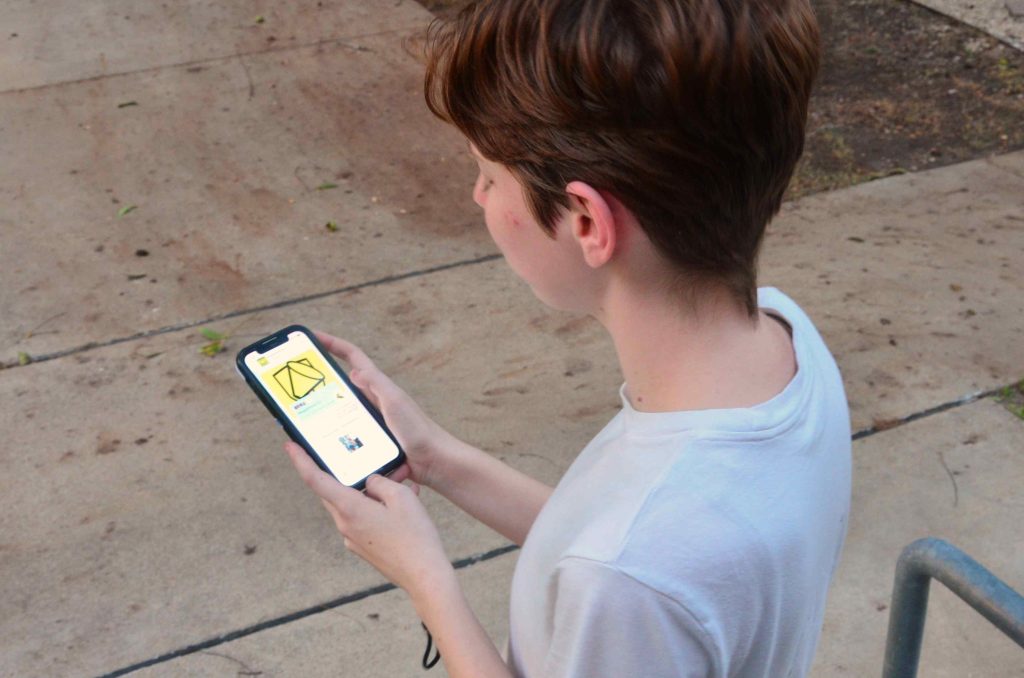
While long-term effects remain to be seen, the potential, at least of paper, is enormous. No longer does a freshman missing from an email list or GroupMe never learn where and when an organization meets and thus never even try to attend. While some of these students might find a contact on an instagram page or manage to track down a member to ask, many never muster the time or effort. Lounge drastically lowers the barrier to entry in this way, students can easily access information without any previous contact with the organization, just get a ticket and with that RSVP comes a time, place, and a convenient reminder from your phone. While you could argue that Lounge does all of these things, an easy counter is that a rise in student engagement could just as easily be accomplished by StuAct making incoming students download something else. The increase in centralization has obvious benefits, but is it worth the myriad of complaints many students have already leveled at Lounge as a program? The annoying interface, the overly complex process of scheduling any kind of event, and the distinct lack of user settings; which can cause hosts to be absolutely bombarded with useless notifications which can obscure more important messages. While Southwestern may be locked into a four-year contract with the platform, that does not mean Lounge itself will remain unchanged. Ramon praised the team at Lounge, describing them as “receptive” and open to “constructive criticism,” a statement reinforced by the fact that some changes have already been made in between our meeting and now. While it’s hard to say what the future holds for Lounge, we at the Megaphone would encourage students to not take it lying down. If you have problems with the program, reach out to StuAct, workshop solutions, try to be an active participant in this process, so that we can all work to make this a useful tool for everyone at Southwestern, student and admin alike.
If you’re a student organization leader or member wanting to share your opinions on Lounge with the Megaphone, please reach out to megaphone@southwestern.edu, papasana@southwestern.edu (Augustus Papasan, Editor in Chief), or moore23@southwestern.edu (Archer Moore, Assistant Editor in Chief).