
Bipolar Disorder

Share

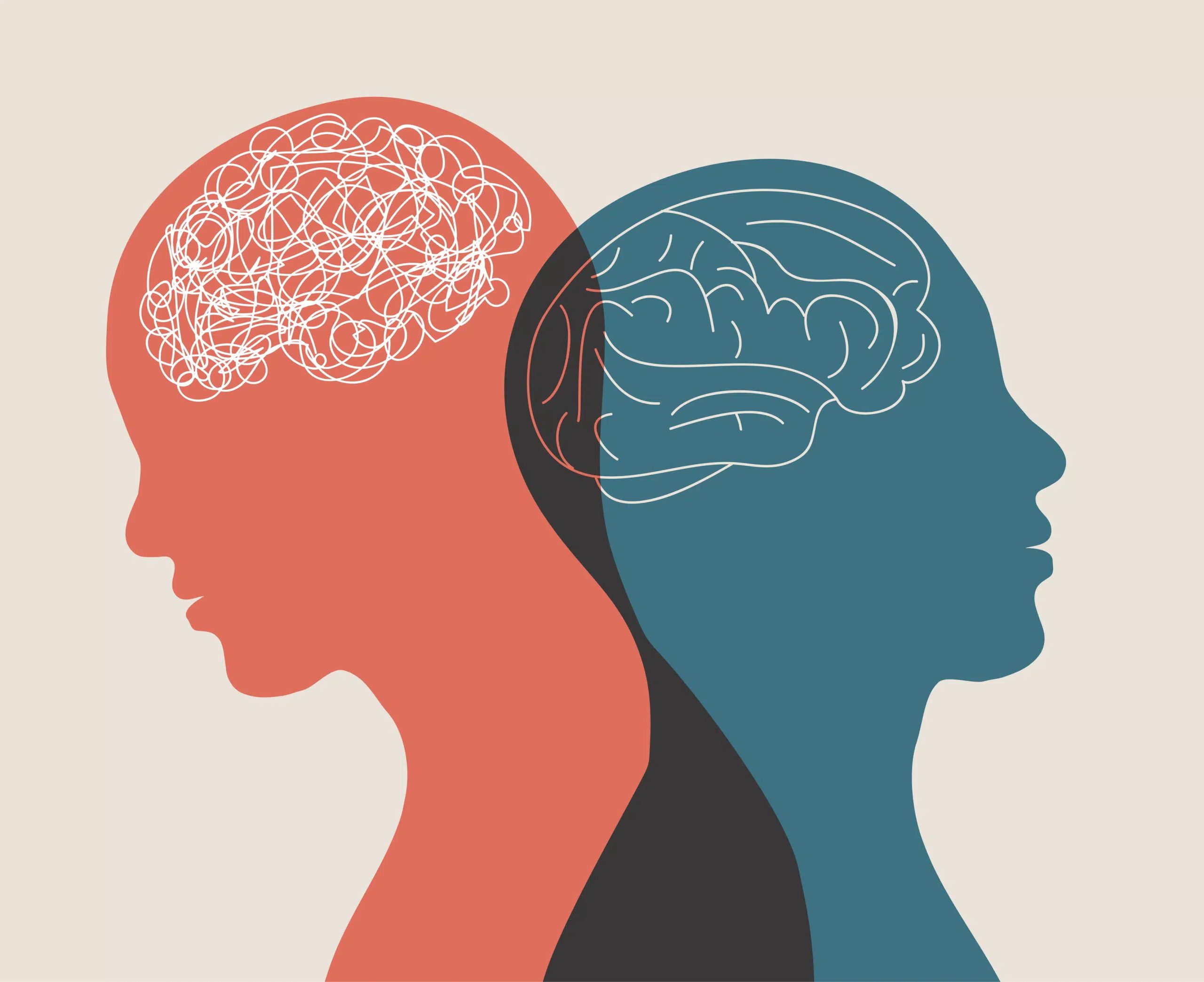
They say comedy comes in threes. When it comes to drama, this is also true. Bipolar disorder generally has three phases: mania, depression, and stability. The phases vary depending on the type; Bipolar 1 is characterized by intense manic episodes followed by intense depressive ones. Bipolar 2 replaced mania with hypomania, which is a milder form of mania.
Mania is the equivalent of being on cocaine without taking cocaine. Mania is a state of abnormally elevated arousal, energy, and mood, often characterized by euphoria or extreme irritability, racing thoughts, reduced sleep, and impulsive, risky behavior. Manic episodes bring about significantly lower or no sleep or eating, grandiose thoughts, and elevated energy. This is often misconstrued as being productive- this is not the reality. Mania can destroy a life in a week. Sufferers of mania have been hospitalized for psychosis or incarcerated for mania-induced crimes. During mania, one might spend all of their money, indulge in dangerous substances, or view themselves as impenetrable. Manic people have an image of themselves at the top of the world. Hallucinations are not uncommon in bipolar individuals. During mania, auditory hallucinations may occur that complement the sufferer’s delusions. Hypomanic episodes are similar, but less intense. They are characterized by abnormally elevated, expansive, or irritable mood, lasting at least four consecutive days. Manic episodes typically last weeks to months. Hypomanic episodes last days. Mania is the best feeling in the world- but it wanes very quickly.
One might liken bipolar disorder to Newton’s laws of physics. As the saying goes, “What comes up, must come down.” After the soaring highs of mania follow the scraping lows of depression. If mania is great, depression is awful. It is an acute onset of lethargy, fatigue, and lack of motivation. While a manic individual is running around solving the meaning of life, a depressed one is stagnant in their bed- unmoving. In a depressive episode, nothing matters. The consequences of skipping work or class are irrelevant. Life is irrelevant. The lack of energy brought on by depression encourages individuals to ignore their responsibilities and at times, simply not eat. In this state, depression is almost comforting. It’s an excuse to feel the way you do. I’d liken it to a periodic lobotomy. It comes in phases, but when it does, it shuts down your life.
The last phase of the cycle is stability. This is where (using a topographic metaphor) instead of being at a mountain or valley, an individual is at level ground. This is most easily achieved using mood stabilizers or antipsychotics. Now, there is a frequent perception of bipolar disorder as simply mood swings. My sister once told me she thought I was bipolar because of how quickly I go from friendly to angry. This is NOT true. This comparison most likely resembles BPD- Borderline personality disorder- where a person switches from hatred to adoration. Neither of these things are what bipolar disorder is. Misconceptions like these make the disorder stigmatized and misunderstood. Sufferers of bipolar are not “psycho” nor mercurial, (well maybe) but sufferers of an unstable mood disorder.
The last thing I’d like to touch on is substance use and bipolar disorder. Over half of individuals suffering from bipolar also suffer from a substance use disorder. Once during a coffee chat, a psychiatrist told me that in every single case of bipolar disorder she’s handled, that the individual also struggled with drinking. She also noted that it was always vodka. There’s science behind this specific choice, but that’s a story for a later day. The use of alcohol or drugs is a harbinger of the stability that bipolar disorder takes away. It is a normalizer until it isn’t.
Bipolar disorder is a ruiner of worlds that comes in different stages. Sufferers know little stability in their own mood, which is insanely uncomfortable to experience. Bipolar disorder is not mood swings or bouts of productivity, but a life-ruining cycle of adrenaline and lack of it. In order to understand those who have this disorder, one must understand the disorder itself. It is not “quirky” or a fun little character trait, but a deep well of rockiness, able to erupt at any moment.