
Chronic Pain and What it Means to Me

Share

I’m reading “Turtles All the Way Down” by John Green right now, and I feel like the main character, Aza, who lives with OCD, vocalizes my experience with chronic pain very well at some points. I’m only about a third of the way through the book, but the thing that stuck with me the most so far has been the sentence, “I wanted him to understand that I felt like the fish, like my story was written by someone else” (John Green, 106). In the scene, she’s talking about her experience, rambling to another character in her best effort to articulate the thoughts inside her brain. However, in my case, I can relate to it in terms of the way that I sometimes feel like my body is controlling me, rather than me being the one to control it. I sometimes am forced to physically rest because my body needs it, rather than the “normal” experience of resting due to being tired.
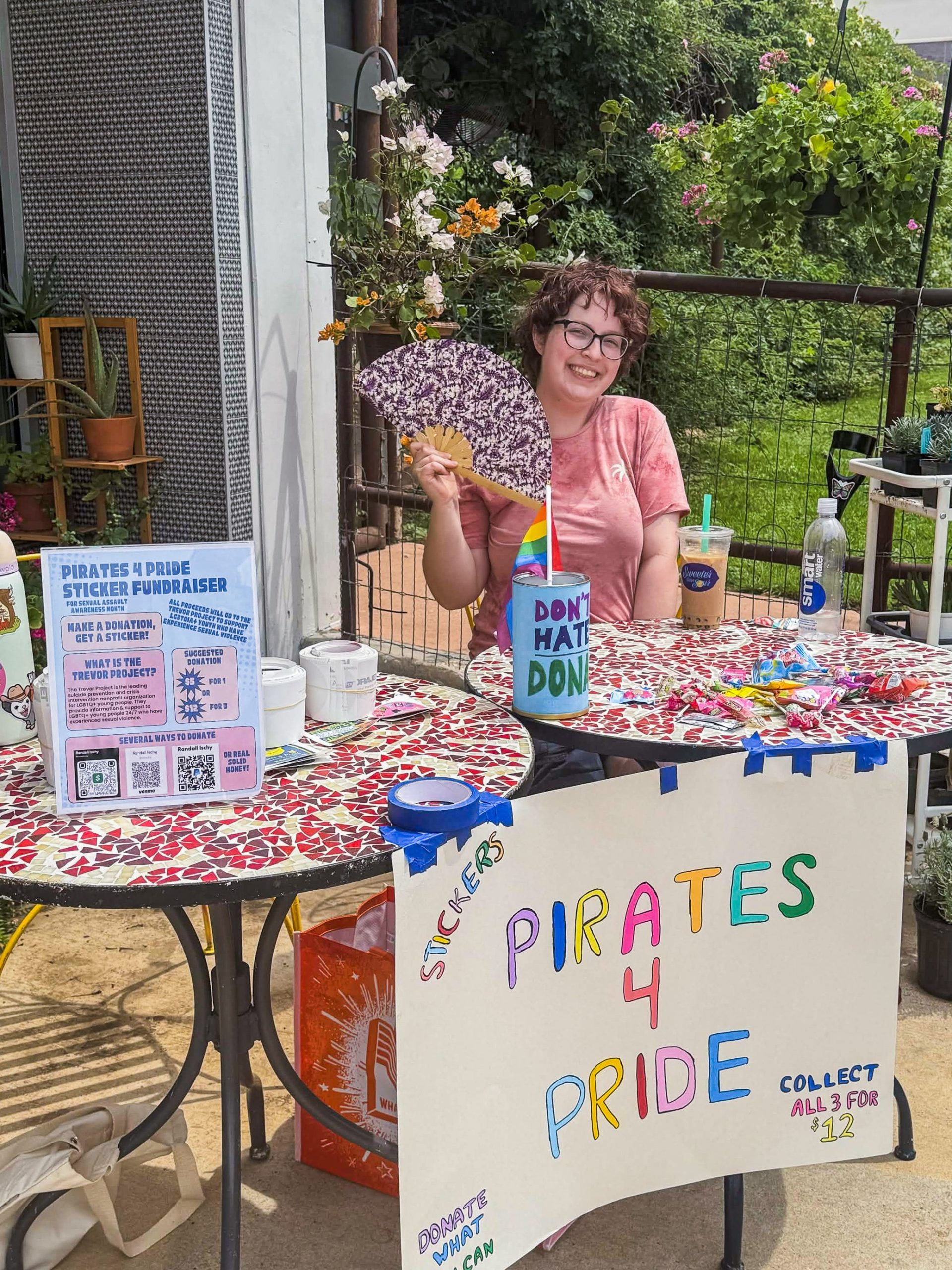
My experience living with chronic pain is affected by my mental health, namely my anxiety and depression, but these things are also affected by my chronic pain, making it an endless cycle. Moreover, my daily life is affected by my chronic pain, just as my chronic pain has an impact on my daily life. However, although my pain may dictate my need for time to rest during the day, it doesn’t mean I don’t still participate in class, hang out with friends, and involve myself in student organizations, such as Alpha Phi Omega and Pirates for Pride, among other things. This is all to say that although my daily life is a bit different than the average Southwestern student, I still have my place at this school.
In my case, my chronic pain will likely affect how I live my life every single day for as long as I’m alive. It is unfortunate, but it is how my body has decided to function, so I need to work with it. I have to ask for help a lot more than my inner people-pleaser would like, but there’s not much I can do to stop my pain, only things I can do to accommodate my body in the moment and mitigate any pain after the fact. I also have literal tools I use to make my pain less severe day to day, such as my crutches, my reacher (also known as a grabber), and my sock aid. My reacher and my sock aid are things that are generally known to be used by older people, but they help me to be more independent in my daily life. I am so grateful that these things exist, because even if they look a bit silly, they truly make my days so much easier, even if for a brief few minutes.
Going back to the ways I combat my people-pleasing tendencies, something I discuss with my therapist weekly is the way I sometimes have things that I am physically able to do, but my life is easier if I don’t have to do every single day. For example, although it’s usually possible for me to clear my own dishes in the Dining Hall, even if I’m using both of my crutches that day, it’s easier if I ask one of my friends or a staff member to help me. In other words, something that applies to my life as a person who experiences chronic pain, but also every other human being, is that just because I can do something, it doesn’t necessarily mean I have to.
All in all, something I wish more people understood about chronic pain is that living with chronic pain is so much more than the literal pain that we (chronic pain experiencers) manage. Chronic pain affects my mood, my mental health, my thought process, and my daily schedule. However, as I mentioned before, while my chronic pain has an impact on my day-to-day life, I am still a functioning human being at Southwestern, with my friends and family, and in relation to myself.