
A Spirtual Alignment: Ramadan and Lent

Share

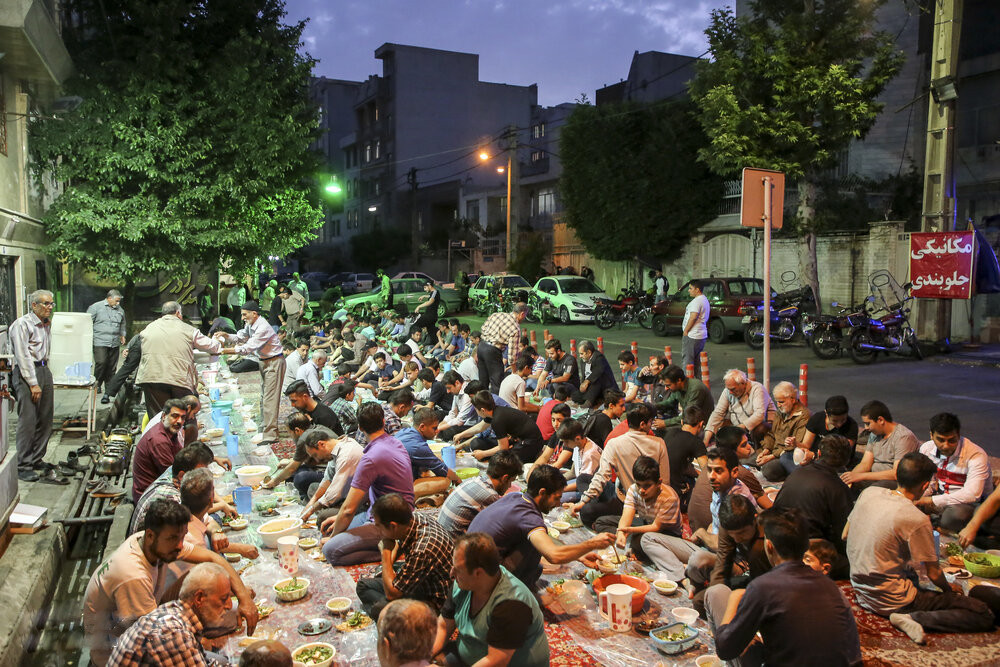
Once every 30 to 33 years, two holy days align – the beginning of Ramadan and Lent. In both these holy times, believers practice fasting and other forms of self-discipline. On February 18th, Ramadan and Lent began alongside one another, marking a rare occurrence as the Lunar New Year also occurred within those same 24 hours, a phenomenon that is a first in 163 years. However, it has been marked that the alignment between the two religious periods of self-reflection is a rare opportunity for unity in our seemingly increasingly polarized world. Muslims and Christians who practice Lent have now been given the opportunity to be united between the borders of faith and land, something drawn upon in the digital gathering hosted by Braver Angels the 18th. Braver Angels is a cross-partisan, cross-faiths, volunteer-led movement that aims to encourage hard conversation between those who may not always agree. The purpose of this non-profit organization is to bring people of different backgrounds together and find a common space between political and religious differences.
As described by guest speaker Ibrahim Anli, Ramadan is about more than just fasting and self-discipline. The month of fasting of food and drink between dawn and dusk commemorates the revelation of the Qur’an and is meant to grow closer to Allah, grow one’s self control, gratitude, and compassion for those less fortunate. Hunger is used as a tool rather than a punishment, for under hunger a human’s ego is disciplined and enabled to sacrifice self-serving behaviors and replace them with better, more compassionate acts. Ramadan is a month for spiritual rejuvenation, for prayer and spending extra time studying the Qur’an. For those unable to fast, like pregnant women or the elderly, exemptions are made.
Lent, as described by Mark Beckwith, is also centered around the rejection of temptations. The period pays homage to Jesus’ 40 days in the wilderness before Easter, where he was presented with several temptations by evil and turned down every one. Although the actual practices of Lent may vary by denomination, the aim is to purify oneself and claim blessing over temptation. As practiced in Catholicism, the 40-day period is marked by prayer, fasting, almsgiving, and the sacrifice of luxuries. In other denominations, the practice of Lent largely revolves around the sacrifice of certain foods, items, or habits in order to acknowledge the graciousness of God to give such things and cultivate one’s appreciation for what they have.
This event reminds us that religious and cultural difference does not have to be a divisive “line in the sand”. We have all felt hungry, after all. All humans need food and drink, and the sacrifice of these for such an extended period of time is truly powerful. All humans have experienced bad habits they might wish to get rid of but cannot, so the thought of giving up scrolling on TikTok for 40 days serves as a strong reminder that actions we take can have meaningful impact. For those who practice Lent and Ramadan, the period is not just about being in lack of something they are used to, but rather an opportunity to connect with a higher being and one another in a meaningful way. On the whole, it is markedly powerful how these holy times have aligned in a time often fraught with turmoil. In a world that increasingly drives us apart, it is beautiful to remember what drives us to worship, believe, and what encourages us to love and respect one another despite differences.
Similarly to Braver Angels, Southwestern University has made a commitment to honoring and supporting its students. In order to support students practicing Ramadan, the university has several accommodations in place. The JEDI Center (MCC 334) will provide free, compostable takeaway boxes as well as snacks during the holy period. Students who have a meal plan but are fasting can use meal swipes at the Shilling Cove, which has longer hours than the dining hall. To use card swipes at the cove, just tell the cashier before making your order. Students who are fasting may also receive accommodations from professors during this time, such as extensions on assignments. Some good guides for requesting accommodations include A Guide to Requesting Accommodations During Ramadan and Accommodations During Religious Holidays: A Guide for University Faculty and Staff (Draft).
From myself and the other Megaphone staff, we wish you a blessed Lent and Ramadan Mubarak!