
Henna Night Spring 2026: Dyeing To Connect With Heritage

Share

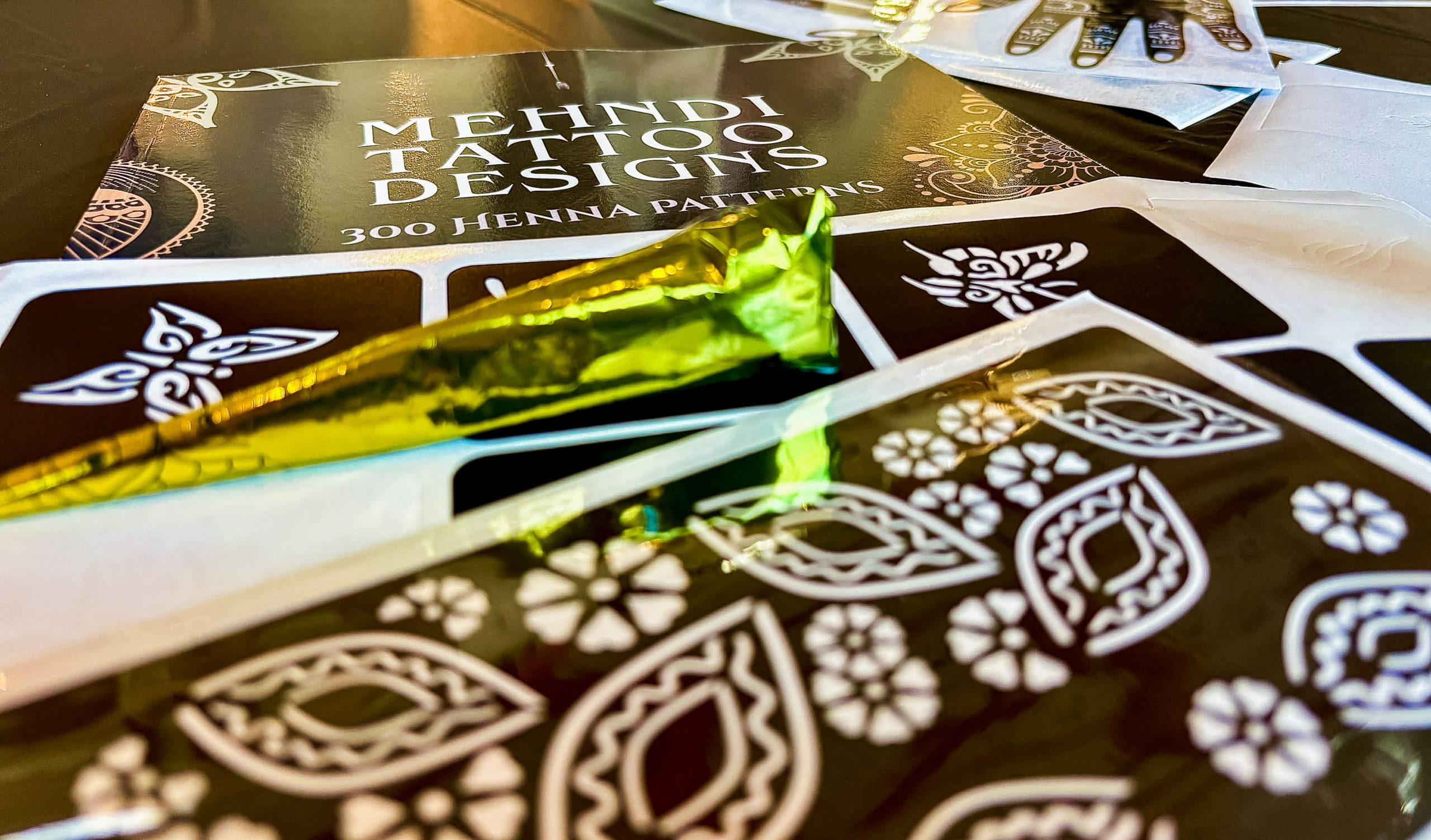
As night falls on Thursday, April 16, the stage lights at the Asian Students Association (ASA) come on for a new event designed to help everyone unwind before the end of the semester. As always, ASA are innovative and creative\, inviting us to experience one of the continent’s most important Asian traditions: Henna tattoos. On a night dedicated to experimentation, ASA also invited professional Henna artists to entertain and teach participating students on the art of Henna.
But first of all, what is “Henna,” and why are we celebrating it on this occasion? Henna, scientifically known as Lawsonia Inermis, is a natural dye derived from a plant with a history spanning ~5,000 years as a symbol of beauty, well-being, and joy in North Africa, the Middle East, and South Asia. In many cultures, Henna is deeply rooted in social and religious traditions. Typically applied on special occasions, such as weddings and birthdays. One of the best-known ceremonies is the “Mehndi Night” at South Asian weddings, during which intricate designs are drawn on the bride’s hands and feet. These designs are florally decorative, rich in symbolism, and often convey blessings, good luck, and joy. On this occasion, these were the Henna tattoo designs the students learned to paint.
In addition to the guest Henna artists, each table was also equipped with a variety of stencils and designs so that students could practice this type of “tattoo” on their own. However, as the word may suggest, Henna “tattoos” are not actually tattoos as we know them. They are not injected into the skin with needles thousands of times, nor will they last a lifetime. Henna paint, as mentioned above, is made from the plant of the same name along with other ingredients so that the paint adheres to the skin for weeks without the need for complicated equipment. Furthermore, Henna, due to the benign properties of the lawsone and the fact that it is applied superficially, is not harmful to the skin at all. Therefore, there was no risk in allowing students to apply it unsupervised.
By the end of the evening, the participating students can now say that their Asian heritage and their connection to it are much deeper than before. After all, Henna tattoos are not just used to represent the past of various cultures; Henna is also used in modern fashion to symbolize individuals’ connection to it. Because if there is one thing we have learned from tonight, it is that you do not need to be a great artist to connect with a culture—just the desire and curiosity to learn more about it, just like what happened tonight.