
Wildlife on Campus: A Guide

Share

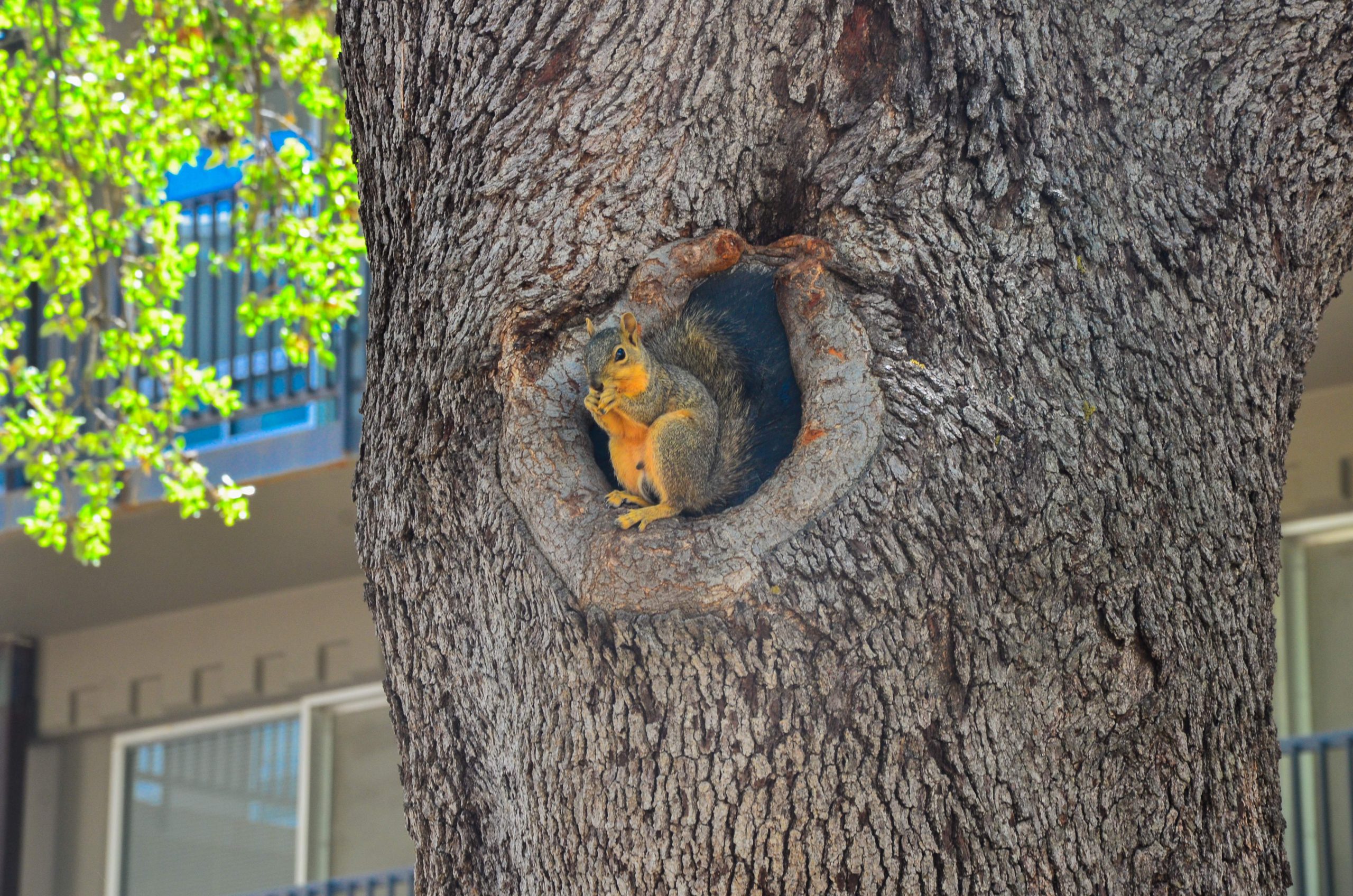
Now that the cold has passed into the familiar heat of what us Texans dare to call spring, new life begins to spring forward. Flowers will bloom, allergies will double, and new little critters (and humans) will begin their lives in our world. Southwestern’s campus is home to more than just the average undergraduate student, it also houses many wild animals such as squirrels, foxes, birds, and even the occasional bat, raccoon, or possum. While these critters might look cute and welcoming, if you find a baby one on campus – do not take it home. I repeat: DO NOT TAKE IT HOME. College students are not fully equipped to take care of such wildlife safely. Taking wildlife back to a dorm or other student residence could put both students and the animal itself at risk. This guide details how to deal with animals on campus now that spring has sprung and you may find baby critters lost and in need of assistance.
According to the SPCA, there are four steps you can use to identify and safely handle wildlife.
- Observe: From a safe distance, look for any visible signs of injury, and any parents or siblings who might be present.
- Replace: If the baby animal is not injured and the parents seem to be nearby, you can simply re-nest the animal.
- Collect: If the animal is injured and parents are not nearby, place the animal in a box with soft rags to keep it warm until you get it to an appropriate location. DO NOT give the baby any food or liquids, as some foods or milk may be dangerous for the animal.
- Contact: Call wildlife resources or research. All Things Wild, Georgetown’s wildlife rehabilitation center, has many resources including I Found An Animal, their main website, and phone number (512-897-0806). Please do not call All Things Wild until you have ensured the animal you found needs help. Not all grounded animals are in danger so please check for injury or family members before removing a wild animal from the place where you found it.
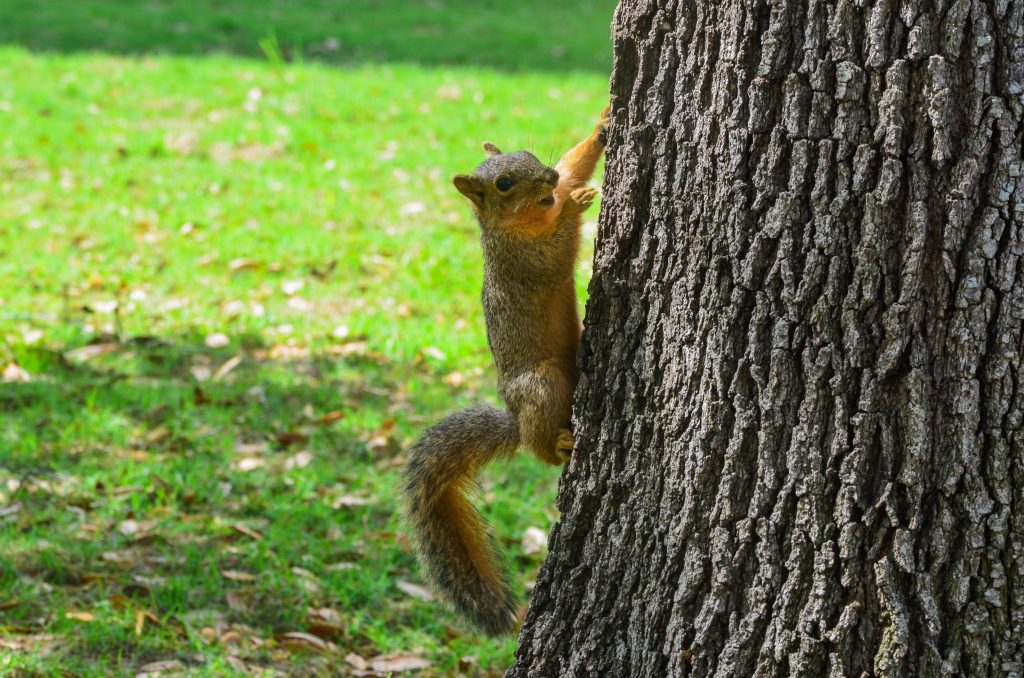
Outside of helping animals who have been injured or abandoned, there are several other ways SU and its community can aid wildlife on campus. Reducing waste on campus, maintaining infrastructure for the care of wildlife that wind up in dorms or on campus grounds, and joining organizations that support wildlife conservation or environmentalism are just a few of the ways students on campus can help our furry and feathered friends. Some organizations to support include SU Environmentalists and All Things Wild, which is always in need of volunteers. And PLEASE please PLEASE! If you take nothing else from this article, please remember to NEVER take a wild animal home! It may be cute and helpless, but wildlife can carry disease, and almost NO college students or average residents are equipped to take care of wild animals. Wildlife is not allowed in Southwestern dorms. Take any injured or abandoned wildlife to All Things Wild or other wildlife rehabilitators in Williamson County. Other resources to educate yourself and others on helping wild animals without interfering with ecosystems include the Animal Welfare Institute, The Center for Biological Diversity