
A Brief History of the Houston Livestock Show and Rodeo

Share

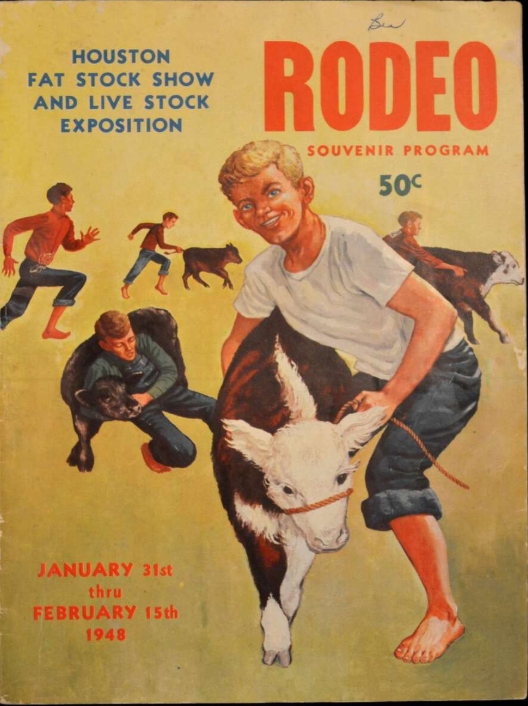
Now that spring has sprung and new life is peeking out like sun rays at dawn, a Texas tradition is in full swing – the rodeo. With several locations and allotted times of running throughout the state, rodeos in Texas are both a way for farmhands and breeders to show off their livestock and also an opportunity for fun, food, and time spent with family and friends. While it remains very difficult to trace the first rodeo since many make this claim, it is clear that the tradition has stood since roughly 1870 or possibly even as early as 1847 (Pro Rodeo). Of these, the Houston Livestock Show and Rodeo is one of the most popular, ranking among the top 10 in most ratings. According to data from the Houston Rodeo itself, the 2026 rodeo season drew 2,621,765 attendees across all days and events (Houston Livestock Show and Rodeo – Attendance). Little do these attendees know that the same rodeo started 94 years earlier because of seven men meeting for lunch at the Texas State Hotel. These included James W. Sartwelle, George David Scott III, and Frank Y. Dew.
The inaugural event was held in the Democratic Convention Hall around April of 1932, the main draw being Brahmans. Despite sharing a name with a high social class in Hinduism, Brahman cattle drew crowds due to their hardiness and ability to thrive in climates like that seen in Texas (Chron; Oklahoma State University). The first official musical star added to the exhibition was in 1942 in the midst of World War II, starring Gene Autry (University of Indiana Press). Since its beginning, the rodeo has grown ever larger and more exciting for visitors. The reach has extended from just showings of cattle and skilled riders to the Salt Grass Trail Ride to the location, Go Texan Day, and the addition of carnival attractions.
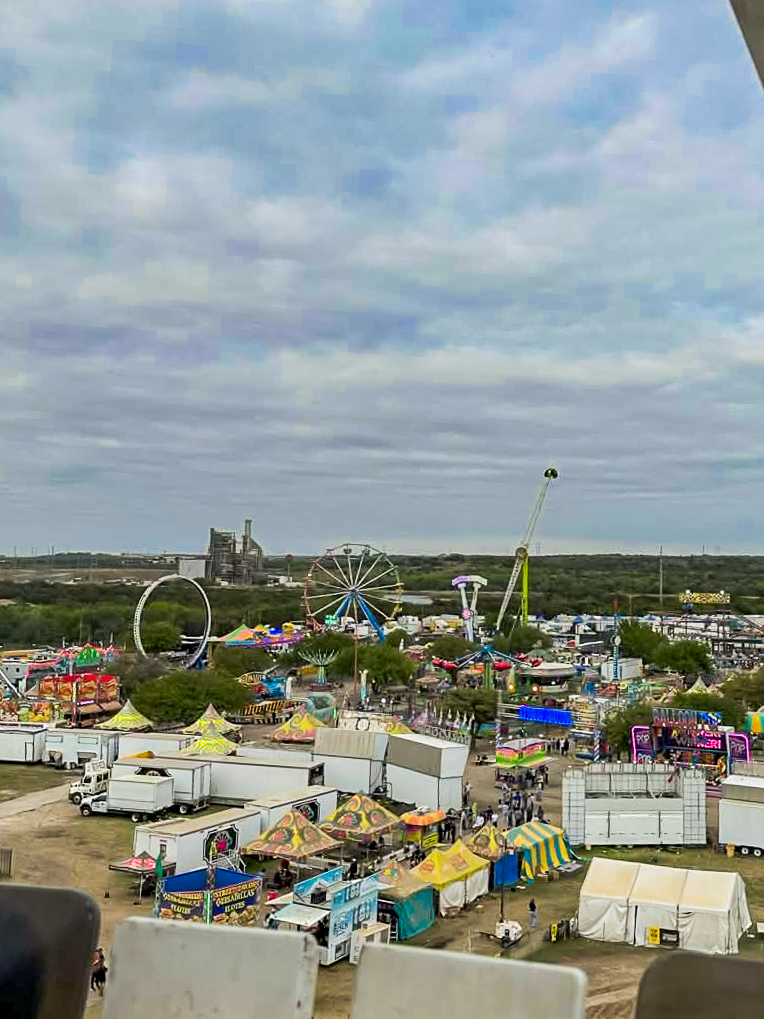
According to the 2025 Impact Report provided by Rodeo Houston, they have also continued to improve the rodeo for modern-day visitors. The 2025 Rodeo touted 36,000 volunteers and aims to continue the rodeo’s lasting values of supporting agriculture, education about animals and the products they make, providing entertainment, and preserving Western heritage like riding (though much of riding as we know it is inspired by Mexican riders). Rodeo Houston claims that since inauguration, they have provided $326 million in economic benefits, $597 million in total economic activity, and $630 million in total educational support. Other than the main rodeo elements, the Houston Livestock Show and Rodeo has also added the Rodeo Parade, Rodeo Run, Barbeque contest, and special days to celebrate local communities and to adjust for visitors with special needs.
As a lifelong resident of Houston and (distant) relative of Frank Y. Dew, it is truly amazing to see how the Houston Rodeo continues to grow and engage with the surrounding community. While most might attend to ride the rides or take their kids to Mutton Bust, the Houston Rodeo continues to support and uphold traditions related to farming and the keeping of farm animals. It has surely impacted the creation of other such events, nicknaming itself the “Superbowl of Rodeos” and setting standards for education, entertainment, and charitable actions.