
Sarofim Music Series: Eunghee Cho and Jeanne Hourez

Share

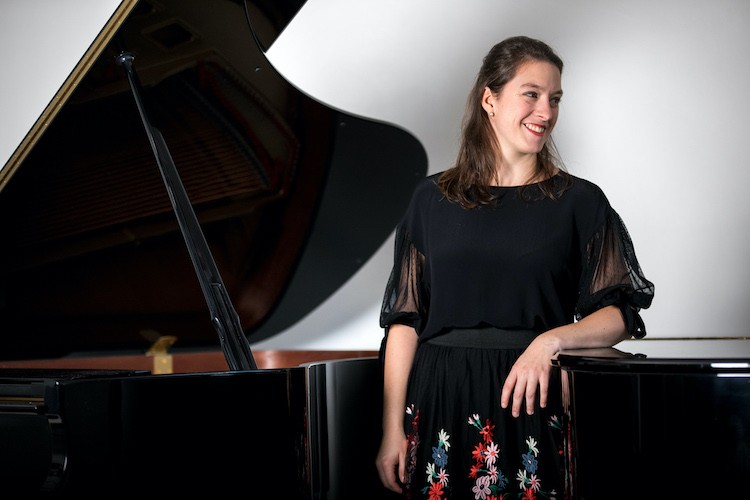
In the latest installment of the Sarofim Music Series, the cello as an instrument stood out with a voice of its own. As one of the most popular and beloved orchestral instruments for its ability to produce expressive tones mimicking the human voice, it is no surprise that a masterful player like Eunghee Cho was able to enrapture the audience with nothing but music alone. Accompanied by Jeanne Hourez on piano, the two played wonderfully together in the Alma Thomas Fine Arts Center on March 24th. Featuring arrangements by Luigi Boccherini, Fazil Say, and Dmitri Shostakovich, the roughly two hour long performance exemplified the skill and versatility of both Cho as a cellist and the wonders of the instrument itself.
Of the three pieces played, I particularly enjoyed the Cello Sonata in C Major, G. 6 and Cello Sonata, “Four Cities”. The first of the two, composed by Luigi Boccherini in 1768, consists of three movements. As a sonata, this piece is rather slow and lingers on notes. The sounds made during this piece reminded me of the feeling when spring is first in bloom – something tentative and delicate, but all the while beautiful. However, the sonata also is said to reflect the galant style of music, which grew in prevalence in the upper class of Western Europe from 1720 to the 1770s as a break from rigidity. This style was a metaphorical bridge between the Baroque and Classical periods, characterized by elegance, simplicity, and focus on melody. Some have even gone as far as to compare this style to the Rococo style seen in visual art at this time, which holds the same elements of delicacy and elegance (Mannes School of Music). Other than being a simply fascinating piece of music to research, Cho played this piece expertly. Despite being the shortest of the three pieces, Cho still managed to embrace the audience in the warm delicacy of the sounds made by the cello and piano alone.
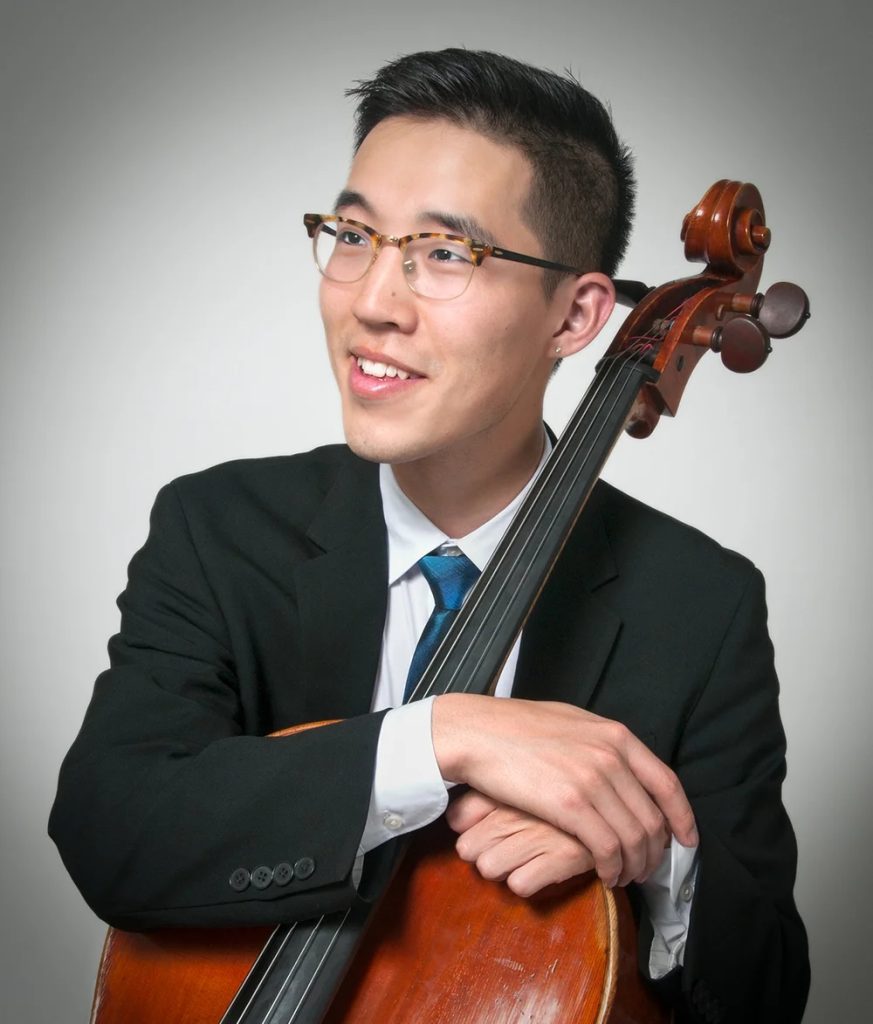
Cello Sonata “Four Cities”, however, carried a much different story. This piece reminded me of just how versatile the cello can be as an instrument. While the first piece was soft and longing, reminiscent of the first flower buds peeking from the snow, the second piece was harsh. Staccato and pizzicato, along with swift movements against the strings, created a music landscape similar to that which one might hear in a horror movie. The only similar orchestral piece I was reminded of during Cho’s performance was the “Flight of the Bumblebee”, a musical piece by Nikolai Rimsky-Korsakov characterized by its erratic and rapidly changing sounds. According to the composer Fazil Say, the piece and its four movements drew inspiration from four cities in Anatolia: Sivas, Hopa, Ankara, and Bodrum (Fazil Say). The erratic and rather complex rhythms seen throughout the piece are not supposed to concern, but rather transport the audience into a city filled with people moving about their lives in swift fashion. As performed by Cho, this piece stood out as absolutely stunning. Both Cho and Hourez showed mastery of their instruments, creating new sounds I had not seen before.
On the whole, I feel myself and the other members of the audience were treated to a masterclass in the handling and playing of orchestral instruments. Not only is Eunghee Cho recognized by many awards including the Second Prize and the special award for Outstanding Chinese New Piece Performance at the Schoenfeld International String Competition alongside others, he also teaches at other universities (Eunghee Cho). His performance alongside Jeanne Hourez shows just a glimpse of how far music students can go with all their time, effort, and practice. And in the meantime, as we wait for current or future Southwestern alumni to grace one of the great stages, we can support them here on campus. Upcoming performances and events in the Sarofim School of Fine Arts include the Musicale March 27th, Student Recitals March 29th, and the next installment of the Sarofim Music Series April 7th featuring Gina Williams. For more information on events, ticketing, and the on-campus art gallery, visit the Sarofim School of Fine Arts website.