
Backpacking 101

Share

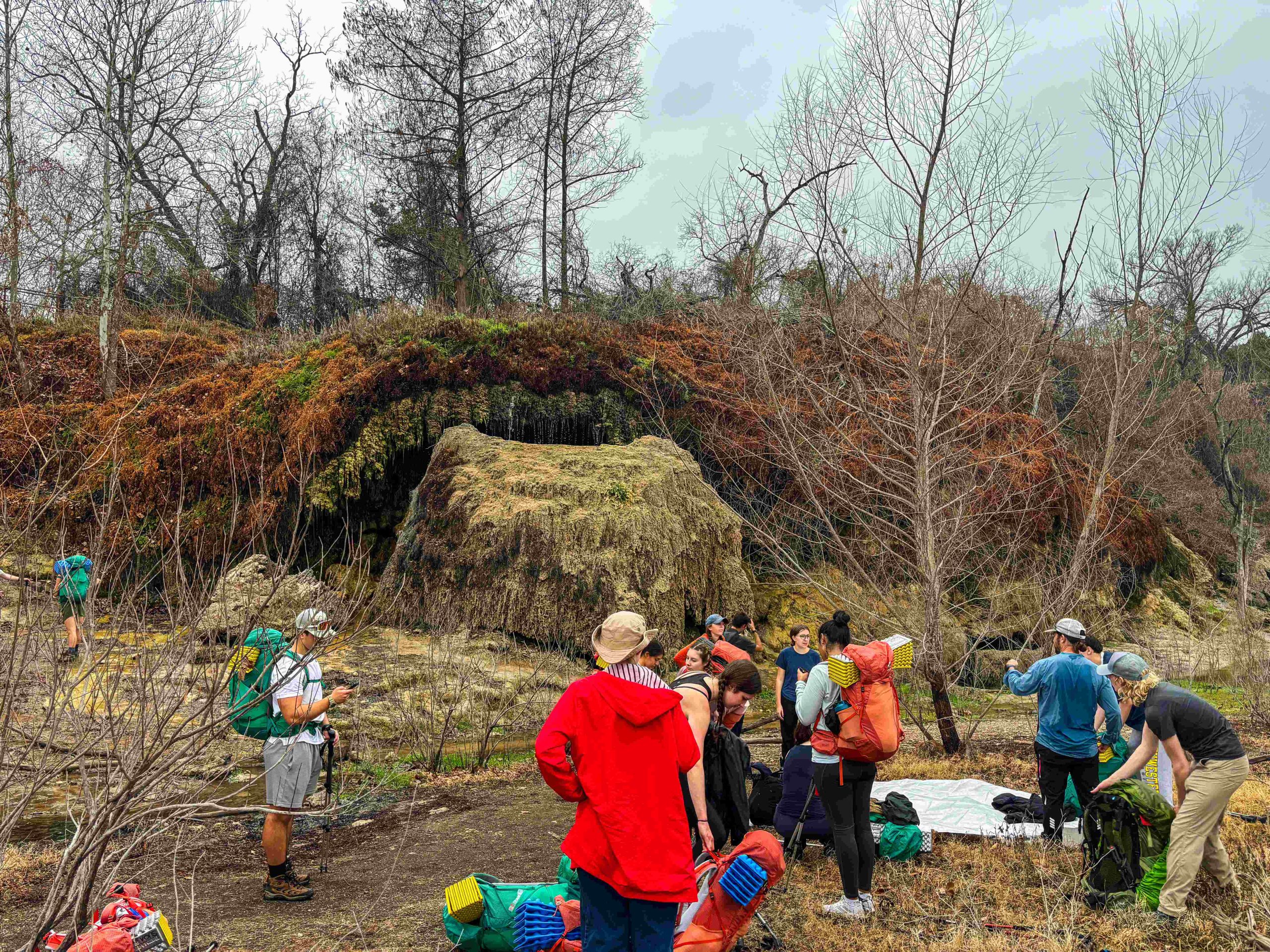
It is Saturday, and you wake up to a morning like any other. But before you even get out of bed, you have a huge headache from staying up late at night reading the endless pile of books your teachers left for your classes the following week. You grab your phone to see if you missed lunch again by sleeping in, but you immediately notice that it is already February 14. You have two options. Option A: if you have a partner, think about whether you should invite them to a surprise dinner at an Italian restaurant so you do not look like you completely forgot about Valentine’s Day, or if you will seem like you did not put much effort into it, because you think that dining at a restaurant on this day is too cliché and, besides, you do not even like Italian food that much. If you are single, you simply contemplate your loneliness because, for another year in a row, you have no one to celebrate Valentine’s Day with. Option B: You completely ignore option A and go backpacking with the Outdoors Adventures team and camp at Lake Georgetown for the rest of the weekend, so you do not have to deal with the sloppy problems of love. Clearly, option B was what happened.
On February 14, Outdoors Adventures hosted Backpacking 101 at Cedar Breaks Park to begin a roughly ~6.5-mile hike to Cedar Hollow Camp and Sawyer Hollow Camp, where a two-day class on the fundamentals of backpacking was taught for those wishing to begin their journey into nature. The topics covered were as follows:
How to Care for Hygiene While Backpacking?
Firstly, although also quite uncomfortable: hygiene. How to maintain good hygiene outside urban areas varies depending on the length of the trip and the type of camping you are going to do. The two most common types are car camping and backcountry camping.
Car camping is a type of camping where the vehicle serves as a base camp, allowing easy access to equipment, comfort, and remote locations. Therefore, hygiene issues such as going to the bathroom, bathing, and keeping clean are not a problem, as this type of camping is only practiced in areas where cars or trailers are allowed to park. These places always have sanitary facilities that include showers and toilets, and are never too far from roads in case of any unforeseen events.
However, on this occasion, Outdoors Adventures established backpacking as its main activity, so camping in remote areas was mandatory. Backcountry camping, also known as primitive, dispersed, or wild camping, involves setting up camp in areas where nature dominates and human infrastructure is minimal or nonexistent. Unlike traditional car camping in developed areas with bathrooms, picnic tables, and vehicle access, wilderness camping requires campers to carry all necessary equipment and supplies, often traveling on foot or by non-motorized means. On short trips of a day or two, this is not a big problem, as any undesirable situations can be resolved at the end of the trip.
Nevertheless, when it comes to camping trips lasting a week or more, the only options available are ingenuity and preparation before the trip. Consequently, as you can imagine, there will be no opportunity to wash up or go to the bathroom with all the comforts we are accustomed to for a long time. That includes relieving yourself according to the call of your primitive ancestors and nature: finding a hidden place and waiting for no one to see you return to your caveman roots. For men, urinating is the same as always: find a tree and let it rip. For women, however, it becomes a little trickier, as you have to squat down on as flat a surface as possible so as not to slip, while at the same time being alert to your surroundings in case of any undesirable presence, such as an animal or person who could compromise you. The best option in these cases, if you are traveling in a group, is to let someone know where you are, or if you are traveling alone, do not stray too far from your base to not get lost and hide well. Bringing toilet paper is a must on long trips to avoid bad odors and excessive dirt that can lead to infections.
When it comes to defecating, things get pretty unpleasant. Both genders should use the same technique as women when going to the bathroom and, like a dog, bury the waste in the ground, but do not leave it there! You should also dig it up and, once covered with soil, store it in a plastic bag that is as airtight as possible to prevent bad odors and avoid attracting animals to your campsite. Besides, no one wants to find your surprises while setting up the tent or building a campfire.
When it comes to bathing and washing, you have two options: either do not bathe and use as much deodorant as you can, or use biodegradable soap and water to bathe outdoors. Avoid soaping yourself directly in water sources to prevent contamination. For brushing your teeth, a lightweight, foldable toothbrush is ideal for backpacking. Look for options designed specifically for travel, as they tend to be more compact and easier to carry. Opt for a travel-size tube of toothpaste made with eco-friendly or natural ingredients to minimize environmental impact, or consider using baking soda or activated charcoal as natural alternatives, whichever is easier for you. By the way, avoid spitting toothpaste residue into surrounding waters so as not to pollute too much. To wash your hands, which is absolutely essential to avoid getting sick from bacteria while cooking or putting your hands in your mouth, use antibacterial gel strictly. The last thing you want is to start feeling sick in the middle of nowhere because there will be no one around to save you.
How to Care for Clothing While Backpacking?
When caring for your clothes, wear wool or wool blend underwear to minimize body odor and bacterial growth, as well as to avoid painful chafing in the crotch and intimate areas. From personal experience, they are really painful. Every night before bed, change into dry socks and underwear to prevent athlete’s foot and blisters. When selecting appropriate clothing for camping and backpacking, in particular, never wear wool clothing or overly bulky jackets, because if it rains, as happened on February 14 while our team was on its way to Crockett Garden Falls, you will be at high risk of hypothermia since wool garments do not dry easily or quickly. This happened to one of our companions this weekend, and he was forced to turn back. Instead, wear Dryfit clothing and socks to make it easier to dry off after the rain. If you can, also try to get sneakers that are fully adapted for hiking because they also dry very quickly. Also, try to avoid wearing waterproof or water-resistant sneakers because, if you do not know how to use them correctly, water from a pond or rain can get inside and will not come out due to their very properties. It will be like walking with mud on your feet for the rest of the trip. To stay warm, instead of a jacket, try wearing layers of clothing to also prevent the jacket from getting wet and unusable. To protect yourself from the rain, do not use a rain poncho; instead, wear a waterproof jacket, as ponchos can hinder your movement due to their delicate nature when used for long periods of time. They usually get torn by sharp branches along the way.
Now, here is a great tip if your clothes get wet and you do not have more than two changes. Do not try to hang your clothes outside the camp, as it may rain at night or the dew may soak them and make it impossible for them to dry. Instead, when you go to sleep, try putting your wet clothes inside your closed sleeping bag on your stomach, and your clothes will dry out considerably. Obviously, they will still feel damp, but that is better than them being completely wet. If you prefer a less uncomfortable method, you can place your clothes over a campfire, but not hanging them on tree branches to avoid accidentally causing a fire. Hang your clothes on ropes and pay close attention to the wind or darkening clouds, because you could end up setting your clothes on fire or getting them wet from the rain. This is the fastest method, but also quite tedious because you have to be aware of every factor that could end up damaging your clothes.
How to Care for Cooking While Backpacking?
Cooking at a campsite is not the most glamorous cuisine in the world. In fact, the least of your worries will be cooking itself, but rather what to cook with. Again, you have two options: use what nature provides or bring your own utensils.
In the first case, the right thing to do is to first check if campfires are allowed in your area and then build the fire. If it is permitted, select a flat, clear area at least 10 feet away from tents, trees, and overhanging branches. Clear away any dry grass, leaves, or debris from the area. If possible, use a designated fire ring or dig a shallow pit surrounded by rocks to help contain the fire. Use small, easily ignitable materials such as dry leaves, grass, or pine needles to begin the fire. Select small sticks or twigs (about the thickness of a pencil) to help the fire grow and protect it from strong winds. Finally, with two large pieces of dry wood make a teepee shape over the tinder, leaving space for air to circulate. Light the tinder to ignite the little house around the kindling that will sustain the fire once it is established. Add more wood or sticks as seen convenient. You can directly grill the food by placing it directly over the flames or hot coals for a seared finish. You could also, disinfect and heat smooth stones in the fire and use them to cook food. If it is impossible to grill, wrap ingredients in foil and place them near the heat for a steamy cooking environment. If you want something more innovative, you can prepare skewers with your favorite ingredients and grill them over the fire.
If you want to cook something more complex like soup or stew, you will need to bring your own tools. That is where option two comes in.
Purchase two burners, a small gas tank, one or two deep pans, a cooking spoon or fork, and some cutlery from a specialty outdoor store. Do not take more than these items because when backpacking, it is best to carry as little weight as possible so that you can walk without too much effort and avoid hurting your back or waist. You should also learn how to cook with utensils so you do not burn yourself or anything else in the process. The last thing you want is to have problems in the middle of nowhere. From here, you can cook some stews and meals that require slow cooking. Of course, you still will not be able to cook Michelin-starred dishes, but at least you will be able to feed yourself.
This last step is the most important. Once you have finished eating, if you have lit a fire, extinguish it with water, but do not pour it all at once; sprinkle it little by little to extinguish it in stages. The first stage is to extinguish the flames. At this stage, you can pour as much water as you want until the flames are completely extinguished. The second stage, and the reason why you should extinguish the fire gradually, is that even though you have extinguished the flames, the fire is still burning. Spray water on the parts of the wood where you still see red spots, as there is still fire inside the wood. Use a stick or shovel to stir up the wet ashes and embers. This helps mix the water with the ashes and ensures that any hidden hot spots are exposed and cooled. Scrape partially burned sticks or logs to make sure they are completely extinguished. With the back of your hand, check that all the fire has been extinguished; you don’t want to cause a fire because of this simple oversight. If there is no water around, use large amounts of sand to extinguish the fire until the bonfire is completely covered. Again, stir and check that all heat has been extinguished and it is completely cold.
How to Care for Water while Backpacking?
As always, when doing outdoor activities, always carry a thermos with water to avoid dehydration. Even if you do not feel thirsty, the sun is still doing its job, and at any moment you will end up needing something to drink. If you can, bring some electrolyte packets to help you stay hydrated.
On longer trips, you can bring larger thermoses or canteens to store and transport water. However, water is extremely dense and adds a lot of weight to your backpacking gear. For this reason, instead of carrying large amounts of water from the start, it is better to filter water from large lakes and ponds in the surrounding area. But first, you should check the website of the park or place where you are going to camp to see if the natural water in the area is safe to drink. This information is always indicated, and if not, it would be better to choose another place to camp. Water filters are not capable of removing all viruses and bacteria 100%, so the risk of infection is enormous if the ponds are contaminated. If not, you have four options for filtering water:
Filtration filters physically remove bacteria, protozoa, and sediment, making them an excellent choice for clear water sources. They are fast, reusable, and good for water with a lot of sediment. Still, as mentioned above, they may not always remove viruses. Their use depends on the model you buy, so you should read their instructions carefully.
Chemical purificators eliminate bacteria, protozoa, and some viruses, but require a waiting period. It is ultra-lightweight and reliable. The most common treatments include chlorine dioxide drops or tablets.
This type is one of the most interesting. The safest and most effective defense against microbiologically unsafe water is a UV water purifier. UV purification uses ultraviolet light to deactivate bacteria, protozoa, and viruses. A UV water purifier is a UV lamp enclosed in a quartz sleeve. This system is installed in a water purification system in the water pipes, so that the water from the pipes is diverted to the UV lamp, where it is disinfected and returned to the pipes. It is convenient, but it requires a complete water purification system and is very expensive, costing between $500 and $1,000, not including the necessary system, and works best with clear water.
Boiling is probably the best-known technique for purifying water outdoors. It is simple, but very effective. You can collect it in a metal pot and place it on a camping stove or campfire until it reaches a rolling boil. For added safety, let the water continue boiling for at least one full minute. This method destroys bacteria, viruses, and most harmful microorganisms. However, it takes time and fuel. Be careful not to evaporate all your water.
How to Care for Campsite While Backpacking?
Although it may not seem like it, this is the easiest part of the whole backpacking and camping process, but also the most crucial. As explained above, when backpacking, you must plan for all possible factors in advance to avoid bad experiences as much as possible. As we have already explained, four of the things I teach you to take care of on short and long trips are hygiene, clothing, cooking, and water, but the most crucial and the basis for all of these is how to choose the right campsite and backpack so that you can carry out all the other precautions without any problems.
These are the key considerations when choosing a backpacking tent: Weight, seasonality, and capacity.
If you are planning long hikes on uneven or steep trails, weight is critical. Ultralight tents are designed for experienced backpackers who prioritize minimizing pack weight. However, they may sacrifice some durability and space. Standard tents offer more comfort but can be heavier. Choose a middle option if you are undecided.
Pay special attention to the seasons that tents are designed for, as they can save your life. Three-season tents are the most common, suitable for spring, summer, and fall. They provide adequate protection from wind and rain. If you plan to camp in winter or in extreme conditions, consider purchasing a four-season tent, designed to withstand heavy snowfall and strong winds.
The weight and capacity of tents are closely related. They are classified according to their capacity (e.g., for 1 person, for 2 people). It is advisable to choose a tent that comfortably fits the size of your group, possibly opting for a tent with capacity for one more person than the group, in order to be able to store equipment. That is why you should choose a tent that is neither too light nor too heavy, so that you have plenty of space to store your equipment and it does not get wet or destroyed by animals.
Once you have the right bell tent, all you have to do is walk to the designated campsite and choose the flattest area possible. Keep this last part in mind because you do not want to roll around while you sleep. The last thing left to do is follow the instructions to set up your bell tent. Also, take into account the ground where you pitch your bell tent. Dry ground makes it more difficult to hammer in the stakes that hold the tent in place and could fold them in the process. Wet ground is very easy to use for hammering in your stakes, but if you are not careful, you could lose your stakes underground or the ground may not be strong enough to hold your tent and they could fall over.
How to Care for Backpack While Backpacking?
Hiking backpacks are easier to choose. You just need to consider capacity and suitability. The capacity of a backpack is usually measured in liters and should be adjusted to the length of the trip. For overnight trips, a 45-60 liter backpack is usually sufficient, while multi-day trips may require 60-80 liters. Consider how much gear you need to carry, including sleeping bags, tents, and food. A proper fit is essential for comfort and stability. Focus on your torso length rather than your height, as this will affect how the backpack fits your body. Many backpacks are available in different sizes (small, medium, large) to accommodate different torso lengths. Be sure to try on the backpack with weight to make sure it is comfortable. Some are also adapted for women’s torsos.
As an extra tip, if you plan to hike on uneven or steep terrain, consider bringing hiking poles. There is no science to it, just choose the most sturdy ones you can find. Or if you do not want to, just grab a thick stick from the ground and you will be fine.
Conclusion
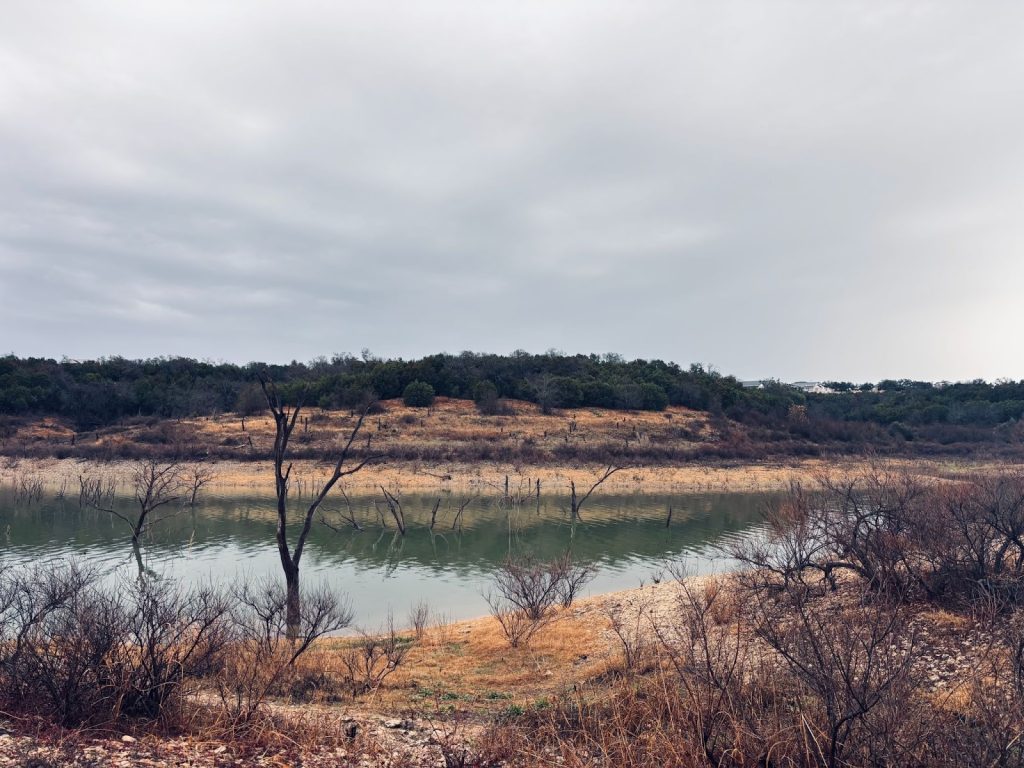
If you follow each of these tips to the letter, you will not have any major problems when going outdoors. If you have an artistic mind like your author, you could even take great photos for your social media accounts or draw a painting, like the one below. Getting out into nature is a great source of inspiration for artists, and even more so when combined with challenging activities that get your brain working. This will improve your mental agility.
Everything matters, and as far as possible, do not try to skimp on these items if you are going camping and backpacking. Remember, you are not in the city; you will be in the middle of nowhere, and no one will be able to help you if you make a mistake. These products and tips could save your life. Outdoors Adventures once again teaches us how to enjoy nature safely and securely without sacrificing fun. Who would have thought that avoiding Valentine’s Day would be so complicated?